


Webinar recording
Indications for Hormone Testing with Mira in Perimenopause
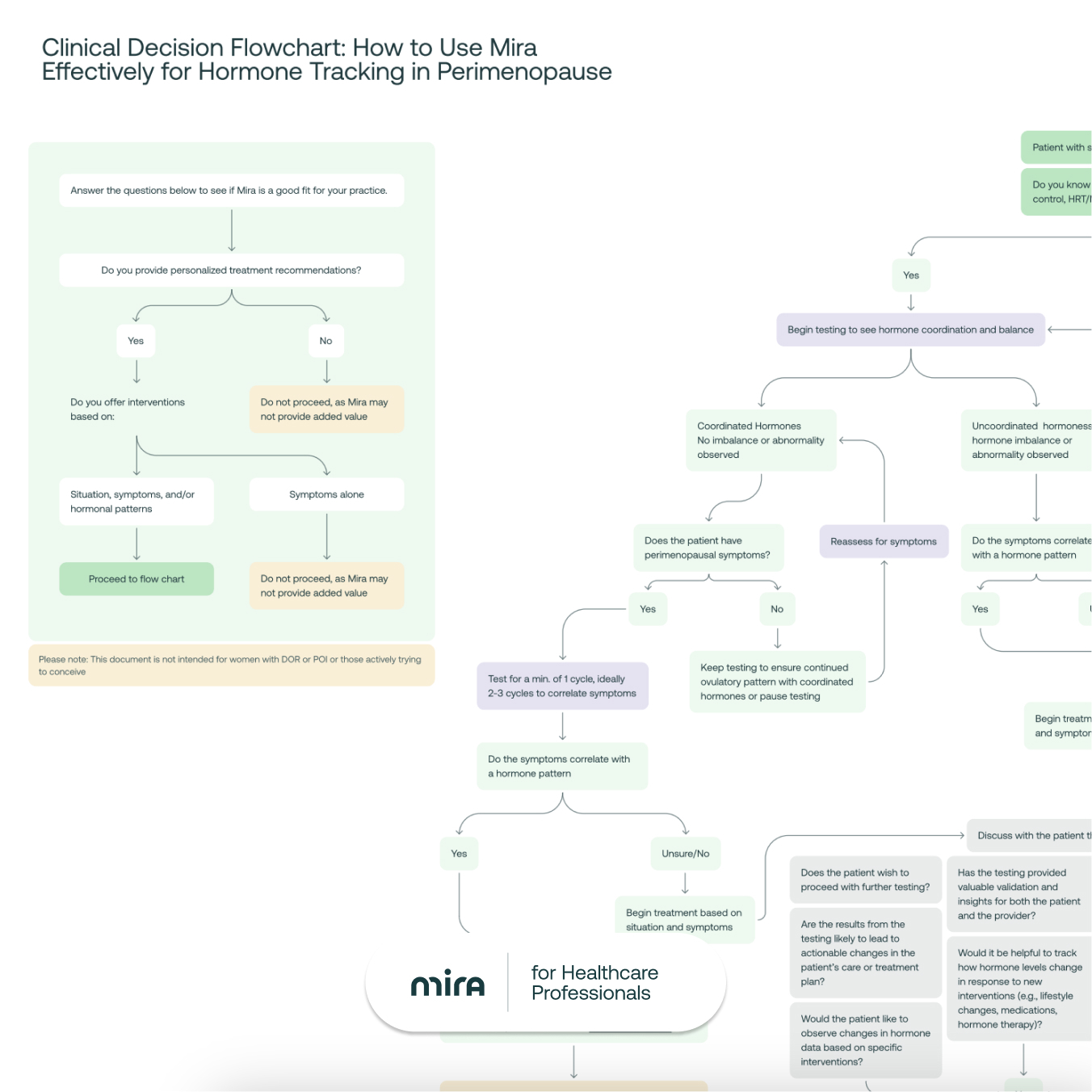
This webinar discusses how urinary hormone tracking with Mira can support perimenopausal care—helping providers assess ovulatory patterns, identify hormonal shifts, and tailor HRT strategies using real patient cases and cycle charts.
Trial Mira and integrate hormone monitoring into your practice.
Book a meeting with our clinical team.
During the session, we'll arrange a free trial sample, you'll get your unique patient discount codes and
learn more about partnership opportunities

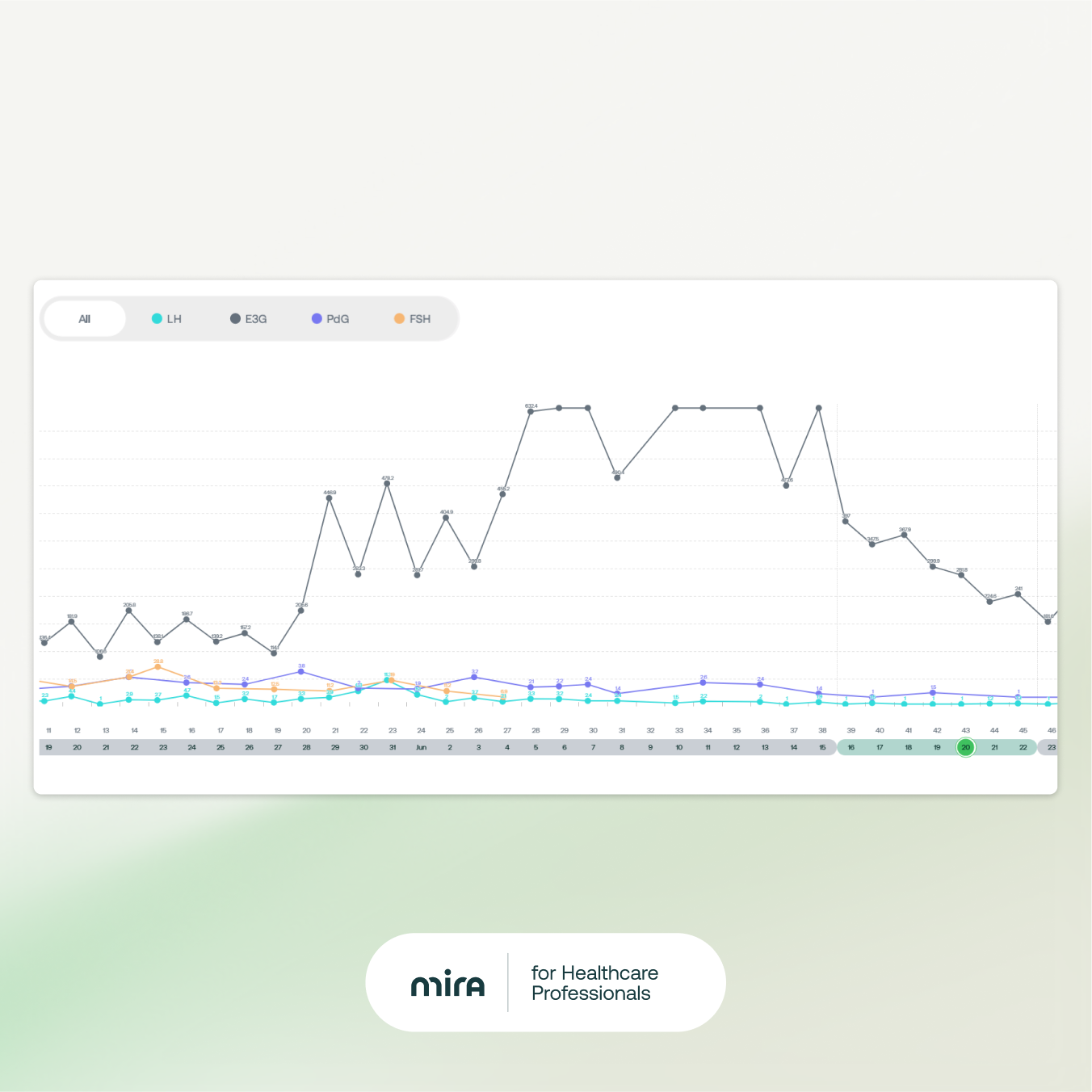
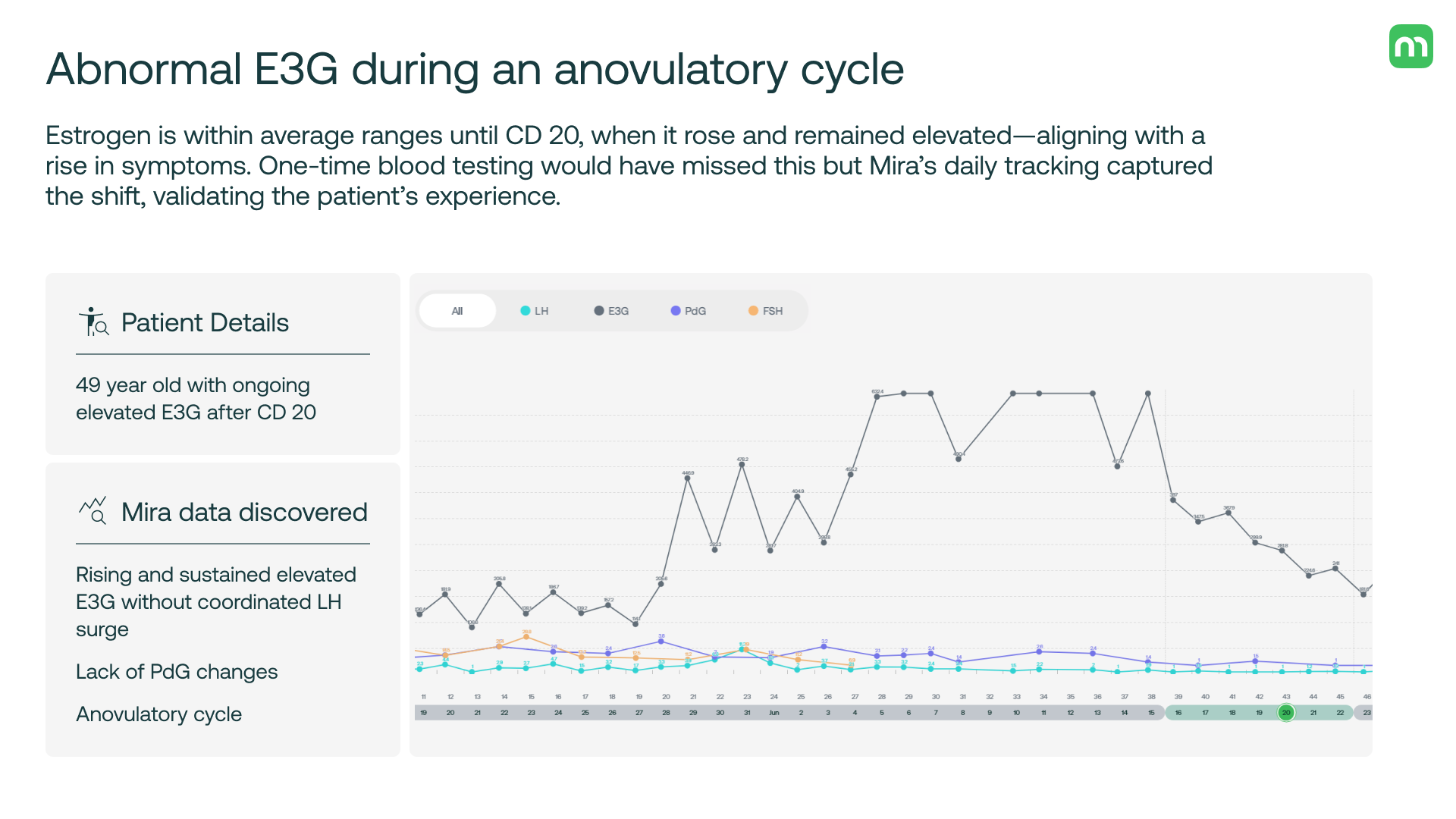
Unopposed estrogen in an anovulatory cycle in perimenopause
Have you had a patient who initially responded well to BHRT or other interventions, only to develop new or worsening symptoms after previously being stable? In situations like this, real-time insight into hormonal changes can be key—especially as endogenous hormone patterns may shift dramatically during the menopausal transition.
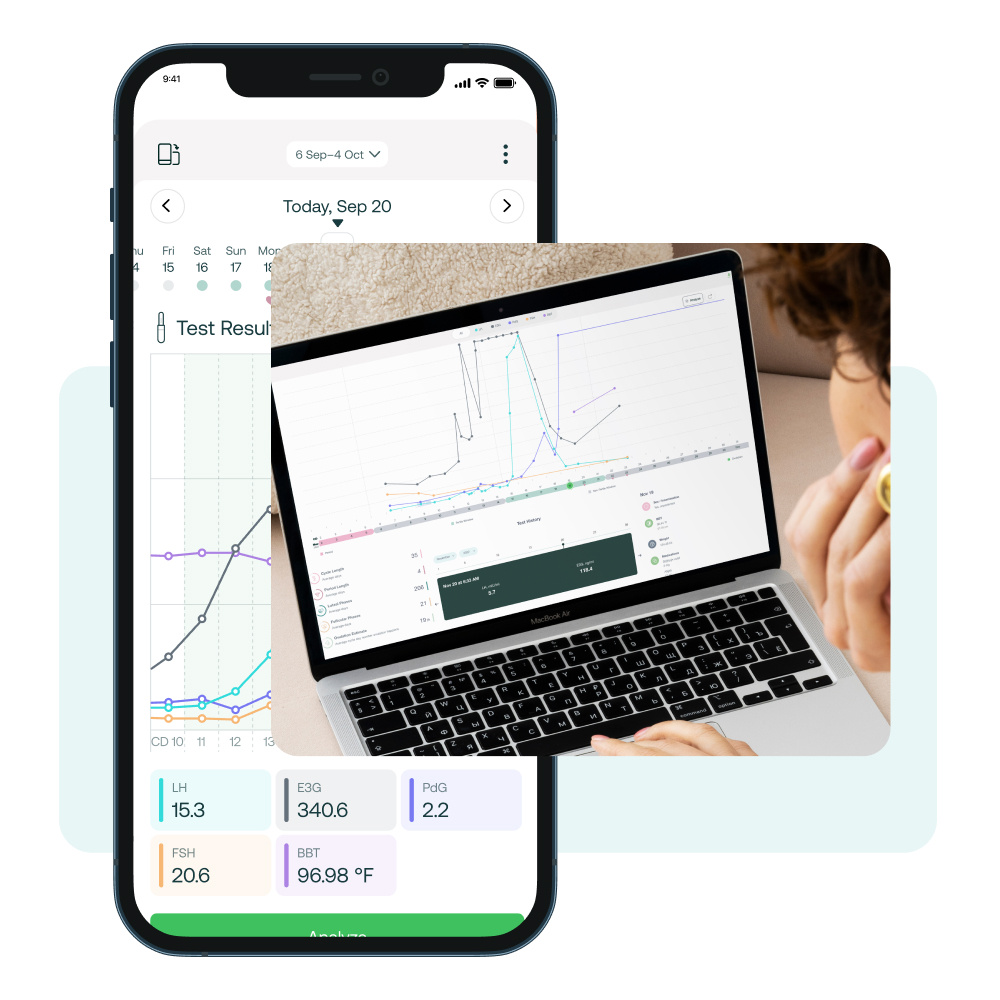
In this case, a patient initially presented with average E3G levels, but real-time monitoring revealed a rapid progression to excessive E3G without ovulation—something that would have been missed with one-time serum estradiol testing. This case validated the patient’s symptoms and helped guide timely clinical decision-making.

At-home hormone monitoring
for improved, personalized care
Welcome to Mira! Follow the steps below to receive your join our provider partnership program.

Claim your Mira sample after the meeting with our Clinical team
Watch the video to learn more about our trial process.
Choose a partnership that fits your practice
Offer your patients exclusive discounts on Mira products, with or without earning commissions for referrals. Watch the video to explore our partnership options (Affiliate, Dropshipping, and Bulk Purchase) and sign up below to the model that fits your clinical approach best.
Map your patients’ entire cycle and identify hormonal issues.
Engage and support patients with more transparency.
Track progress and fine-tune treatments in real-time.


A two-sided platform. Optimized for patient provider collaboration.
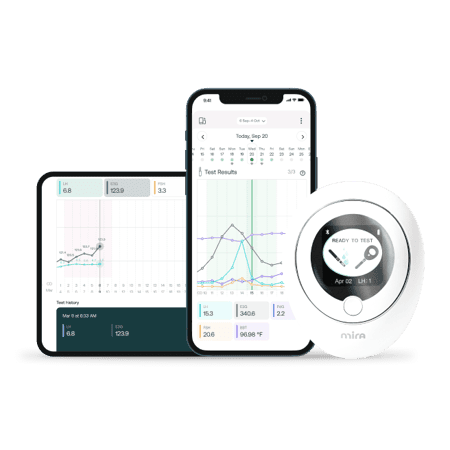
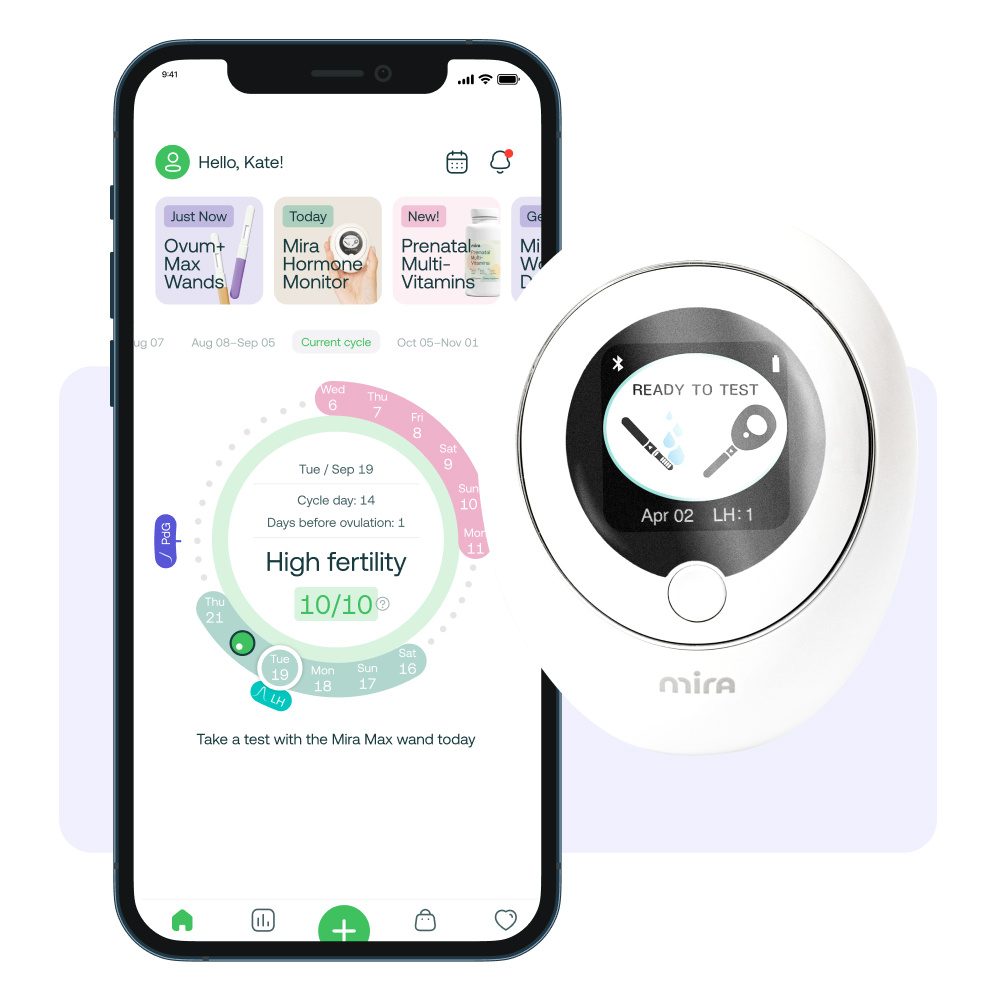
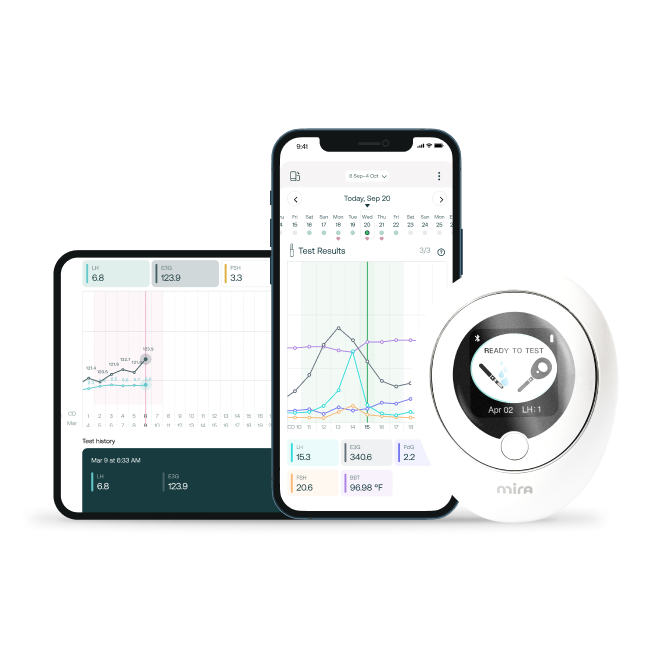
The Mira Hormone Monitor offers lab-quality, at-home hormone tracking. It empowers patients & providers to easily gain cycle insights, identify hormonal imbalances, and closely monitor treatments.
For providers: Thanks to our HIPAA-compliant dashboard ensures providers can monitor progress, personalize treatments, and enhance patient engagement with transparent and easy-to-understand data.
For patients: Mira allows patients to easily track their key fertility hormones (LH, E3G, PdG, FSH) through urine from the comfort of home. It offers user-friendly charts, cycle insights, and fertility scores.
Join our Provider Program to Offer Patient Discounts & Earn Commissions
Offer patients exclusive discounts on Mira products, with or without earning commissions for every referral. Experience our hormone monitor by trialing a sample and set up your Dashboard to connect with your patients' data (always with their consent). Our various partnership options range from Affiliate to Dropshipping and Bulk Purchase.

Mira is recommended by 2,000+ Healthcare Experts
"I am excited about giving my patients access to daily, sophisticated and (importantly) EASY at-home hormone testing. Think PCOS, fertility, PMS, etc. With Mira, we may be witnessing the next disruptive player in the Functional Medicine ecosystem."

“Mira has revolutionized my practice! This technology enables me to educate patients on the specifics of their cycle, particularly highlighting the role of progesterone as a key indicator of ovulation. With Mira, we can demonstrate how ovulation can vary from month to month, empowering patients with knowledge and enhancing their reproductive health management.”

“I find Mira a highly valuable tool to offer clinicians real time, reliable results demonstrating the hormonal status for our patients - whether this is for PCOS, endometriosis or the perimenopause. Additionally our patients are finding the real time feedback invaluable in helping them understand the shifts that they are subject to and how this affects them symptomatically.”